A well-stocked family first aid kit is one of the most important investments you can make for your household. Whether you’re dealing with a scraped knee, a sudden fever, a headache, minor burns, or seasonal allergies, having the right supplies readily available can make a stressful situation much easier to manage.
Many common injuries and illnesses happen unexpectedly, and being prepared means you can provide immediate care while deciding whether professional medical attention is needed. A family first aid kit should be organized, regularly updated, and stored somewhere that adults can access quickly while remaining out of reach of young children.
In this guide, you’ll learn exactly what every family first aid kit should contain, how to store medications safely, and how to maintain your emergency medical supplies throughout the year.
Why Every Family Needs a First Aid Kit
Accidents can happen at any time. Children fall while playing, adults suffer cuts during home repairs, and illnesses often appear without warning. Having a complete first aid kit allows you to respond immediately rather than rushing to the pharmacy when someone is injured or unwell.
A properly prepared kit can help you:
Treat minor cuts and wounds.
Manage fever and mild pain.
Handle minor burns.
Control bleeding before medical care.
Relieve allergic reactions.
Clean and protect wounds.
Reduce the risk of infection.
Stay prepared during emergencies or power outages.
While a first aid kit is helpful for minor health concerns, it should never replace professional medical care when symptoms are severe or persistent.
Essential Wound Care Supplies
Cuts and scrapes are among the most common household injuries. Your first aid kit should contain enough wound-care supplies to clean, protect, and monitor minor injuries.
Consider including:
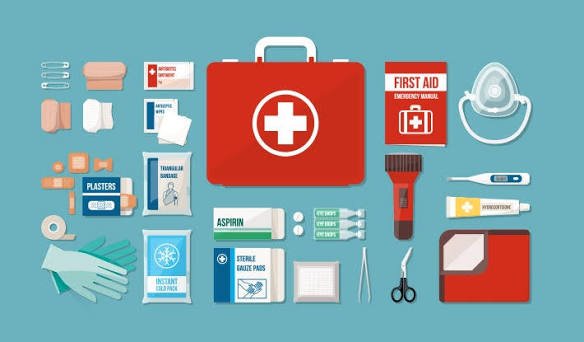
Adhesive bandages in several sizes
Sterile gauze pads
Medical tape
Elastic bandages
Sterile wound dressings
Antiseptic wipes
Saline solution for wound irrigation
Antibiotic ointment (used according to package directions)
Cotton swabs
Cotton balls
Always wash your hands before treating a wound and replace dressings whenever they become dirty or wet.
Pain Relief and Fever Management
Minor aches, headaches, muscle pain, and fever are common in many households. Keeping age-appropriate over-the-counter pain relievers available can help provide temporary symptom relief.
Examples may include:
Acetaminophen (paracetamol)
Ibuprofen (for those who can safely use it)
Always:
Follow the dosage instructions on the label.
Use children’s formulations only for children.
Never exceed the recommended daily dose.
Speak with a healthcare professional if symptoms continue or worsen.
Allergy Relief
Seasonal allergies and mild allergic reactions are common. Your family first aid kit can include allergy medications recommended for your household.
These may include:
Non-drowsy antihistamines
Hydrocortisone cream for minor itching
Calamine lotion for skin irritation
Anyone with a history of severe allergic reactions should follow their healthcare provider’s emergency action plan and keep prescribed emergency medication readily available.
Cold and Flu Essentials
Respiratory illnesses can spread quickly through families, especially during colder months. Keeping a few basic supplies at home helps make recovery more comfortable.
Useful items include:
Digital thermometer
Oral rehydration solution
Tissues
Cough drops (for appropriate ages)
Saline nasal spray
Humidifier (if available)
Remember that antibiotics are not effective against viral illnesses such as the common cold or most cases of influenza.
Burn Care Supplies
Minor burns from cooking or hot water are common household injuries.
A burn section of your first aid kit may include:
Burn gel
Sterile non-stick dressings
Cool compress packs
For significant burns, burns involving the face, hands, feet, or genitals, or burns caused by chemicals or electricity, seek emergency medical care immediately.
Essential Medical Tools
Every family first aid kit should include several basic medical tools.
Recommended items include:
Digital thermometer
Tweezers
Small scissors
Disposable gloves
Instant cold packs
CPR face shield (if trained to use one)
Flashlight with spare batteries
These tools make it easier to provide safe first aid during emergencies.
Personal Prescription Medications
If someone in your household regularly takes prescription medication, keep an adequate supply available according to your healthcare provider’s advice.
Important tips:
Store medications in their original packaging.
Monitor expiration dates.
Never share prescription medicines.
Keep medications away from moisture and excessive heat.
If traveling, always pack enough medication for the duration of your trip, plus a small extra supply if appropriate.
First Aid Supplies for Children
Families with young children often need additional items.
Consider adding:
Children’s pain reliever (age-appropriate)
Children’s thermometer
Oral syringe for measuring liquid medicines
Child-friendly adhesive bandages
Electrolyte replacement solution
Fever record sheet
Always keep medicines locked away and out of children’s reach.
Supplies for Outdoor Activities
Families who enjoy hiking, camping, cycling, or sports should expand their first aid kit.
Helpful additions include:
Insect repellent
After-bite treatment
Sunscreen
Blister pads
Tick removal tool
Emergency blanket
Extra bottled water
Having these items available helps manage minor outdoor injuries until additional care is available if needed.
How to Store Your Family First Aid Kit
A first aid kit is only useful if everything inside remains safe and effective.
Store it:
In a cool, dry place.
Away from direct sunlight.
Out of reach of children.
In an easy-to-access location for adults.
In a clearly labeled container.
Avoid storing medications in bathrooms where heat and humidity can shorten their shelf life.
Check Your First Aid Kit Regularly
Many people build a first aid kit once and forget about it. However, medications and supplies should be inspected several times each year.
During each inspection:
Remove expired medications.
Replace used bandages.
Check batteries.
Restock antiseptic wipes.
Replace damaged packaging.
Update prescription medications if necessary.
A good habit is to inspect your kit every six months.
When to Seek Medical Attention
A first aid kit is intended for minor injuries and illnesses. Seek medical care immediately if someone experiences:
Difficulty breathing
Chest pain
Heavy bleeding
Loss of consciousness
Severe burns
Broken bones
Persistent high fever
Signs of stroke
Serious allergic reactions
Poisoning
If you’re unsure whether a condition requires emergency care, contact your local emergency services or healthcare provider promptly.
Final Thoughts
A complete family first aid kit provides peace of mind and helps you respond quickly to many everyday injuries and illnesses. Stocking your kit with essential wound-care supplies, age-appropriate pain relievers, allergy medications, basic medical tools, and emergency items can make a significant difference when unexpected situations arise.
Remember that first aid is only the first step. Proper medical evaluation is essential whenever symptoms are severe, persistent, or concerning. Review your kit regularly, replace expired items, and make sure everyone in the household knows where it is kept.
Frequently Asked Questions (FAQ)
What should every family first aid kit contain?
A basic family first aid kit should include adhesive bandages, sterile gauze, antiseptic wipes, medical tape, pain relievers, a digital thermometer, disposable gloves, tweezers, scissors, burn gel, and age-appropriate medications for common illnesses.
How often should I check my first aid kit?
It’s a good idea to inspect your first aid kit every six months. Replace expired medications, restock used supplies, and check that tools such as thermometers and flashlights are working properly.
Where is the best place to store a first aid kit?
Store your first aid kit in a cool, dry location away from direct sunlight and humidity. Keep it easily accessible for adults but safely out of the reach of young children.
Should I keep prescription medications in my first aid kit?
If household members rely on prescription medicines, keep them in their original labeled containers and store them according to the instructions provided by your pharmacist or healthcare provider. Do not share prescription medications with others.
Can I use expired medicines in my first aid kit?
No. Expired medicines may lose effectiveness or, in some cases, become unsuitable for use. Check expiration dates regularly and dispose of expired medications according to your local pharmacy or community disposal guidelines.
What should I include in a first aid kit for children?
Include age-appropriate pain relievers, a digital thermometer, oral dosing syringe, electrolyte solution, child-friendly adhesive bandages, and any prescribed medications your child may need.
Is a first aid kit enough during a medical emergency?
No. A first aid kit helps you manage minor injuries and provide immediate care, but it is not a substitute for professional medical treatment. Call emergency services or seek prompt medical attention for severe injuries, difficulty breathing, heavy bleeding, chest pain, or other serious symptoms.
Can I take my family first aid kit when traveling?
Yes. A compact travel first aid kit is recommended for vacations, road trips, camping, and outdoor activities. Include essential medications, wound-care supplies, and any prescription medicines needed by family members.